6 de septiembre de 2012

Motorola’s $100 device trade-in site now live


Motorola’s $100 device trade-in site now live:
Yesterday at its New York City event, Motorola announced it would be upgrading most of its 2011 smartphones to Jelly Bean by the end of the year. Unfortunately they couldn’t promise all phones would receive this upgrade, but those who’ve purchased a Motorola smartphone that was released in 2011 and can’t get Jelly Bean will have a great deal lined up for them.

Motorola will give you $100 toward the release of select Jelly Bean-capable Motorola smartphone. Be careful to remember that your phone must have been released in 2011, and that you’ll only be qualified for the credit if your phone has been confirmed to be left out off the Jelly Bean train.
It’s a great initiative by Motorola who seems to be getting “it” about the importance of smartphone updates. We’re not sure if that new culture was spurred by their new-found ownership via Google, but either way we aren’t complaining. Motorola’s currently accepting information to sign up for updates at their website.

Amazon deja ver nuevos Kindle en un anuncio para TV


Amazon deja ver nuevos Kindle en un anuncio para TV:
El día de hoy Amazon tiene pautado un evento de prensa muy misterioso donde nos presentará las novedades en los productos propios de la casa, o lo que es lo mismo, todos suponemos que la nueva generación de los Kindle nacerá este día, tanto si nos referimos a los lectores de libros electrónicos como a una nueva tableta Kindle Fire.

Sin embargo, a apenas horas de que comience la presentación, Amazon ha publicado un anuncio para la televisión en Estados Unidos, donde para sorpresa de todos, deja ver claramente unos curiosos modelos de Kindle.
Primeramente podemos apreciar un lector de eBooks con tinta electrónica (E Ink) y pantalla táctil, pero que este además tendría pantalla a color, o al menos eso parece verse rápidamente en el anuncio. Además, claramente se ve una tableta que podría ser la sucesora del exitoso Kindle Fire que nació a finales del año pasado, aunque es difícil identificar el tamaño de su pantalla.
Sin duda Amazon tiene muchas sorpresas planeadas para su conferencia de hoy, donde rumores inclusive anuncian que veremos a Jeff Bezos presentar el primer smartphone de su empresa. Solo faltan horas para conocer todo al respecto.

iPhone 5 y iPhone 4S, las diferencias de grosor entre ambos en fotos


iPhone 5 y iPhone 4S, las diferencias de grosor entre ambos en fotos:
Nuevas fotos de alta calidad del iPhone 5 han sido publicadas en iResQ, esta vez permitiendo verlo junto al iPhone 4S para hacernos una idea del tamaño que tendrá, especialmente de su delgadez.

Aunque los pronósticos señalaban un grosor de 7,6 mm. para el nuevo iPhone, las imágenes no parecen adecuarse a este tamaño. Para dimensionarlo mejor, el grosor del iPhone 4 y el 4S es de 9,6 mm. A tenor de las fotografías (y suponiendo que sea este su verdadero diseño), Apple habría conseguido adelgazar esta próxima generación de su smartphone, pero no tanto como indicaban las previsiones.
En la fuente original señalan que el grosor aproximado es el del iPhone 4 o 4S sin el panel trasero. Así, tendrá que vérselas con terminales que serán presumiblemente similares o incluso más delgados, como el Samsung Galaxy S III, con 8,6 mm, o el HTC One S, con 7,8 mm.
Cabe señalar que esto no es un terminal filtrado, sino una maqueta hecha en base a estos diseños.Y es que hasta el momento, todas las filtraciones concernientes al próximo iPhone han mostrado este mismo aspecto. Una vez más aclaramos que no está ni mucho menos confirmado de forma oficial, y que únicamente se sabrá el próximo 12 de septiembre en su presentación, la cual podréis seguir en directo en AppleWeblog.
iPhone 5 vs 4S (1) iPhone 5 vs 4S (2) iPhone 5 vs 4S (3) iPhone 5 vs 4S (4) iPhone 5 e iPhone 4S

Samsung’s Galaxy S3 Sales Reach 20 Million in Only 100 Days Since May Launch


Samsung’s Galaxy S3 Sales Reach 20 Million in Only 100 Days Since May Launch:
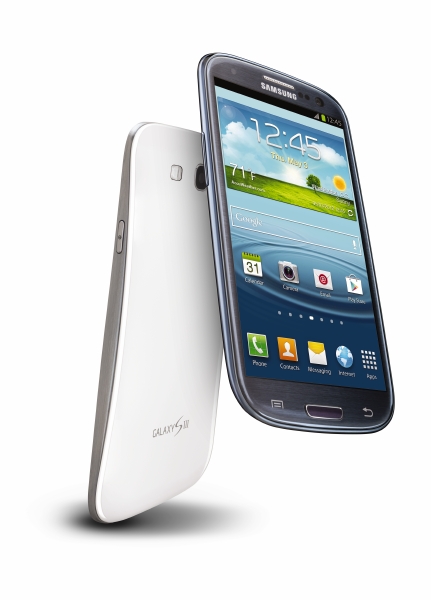
This morning, Samsung has announced that the Galaxy S3 has become their quickest selling device of all time, reaching 20 million in sales in just 100 days since its launch in May of this year. JK Shin, President and Head of IT and Mobile Communication at Samsung has sent out a heartfelt thank you to the millions of Galaxy S3 owners:
I would like to express my sincere appreciation to customers who have chosen the GALAXY S III. We will never stop providing the latest smart mobile technologies to help users live a life extraordinary.
Now all they have to do is get us some Jelly Bean love and we’ll send a thank you right back.
Via: Samsung

At 57.5%, Gingerbread Still The Top Android OS; Jelly Bean Climbs To 1.2%


At 57.5%, Gingerbread Still The Top Android OS; Jelly Bean Climbs To 1.2%: androidoschart-sept2012
New data on the state of the Android ecosystem has been posted to Google’s Android Developers site. The big reveal? Gingerbread, the version of the Android mobile operating system released back in December 2010, is still leading with 57.5% of Android OS share. Android 4.0 (Ice Cream Sandwich) is at 20.9%, and Android 2.2 (Froyo) has 14%. Yes, Froyo – released in May 2010. And as for the newest version of Android, aka Jelly Bean (Android 4.1)? It’s now installed on 1.2% of Android devices, up from 0.8% a month ago.
Since Google only revealed Jelly Bean in late June, promising rollouts to Nexus handsets and the Motorola Xoom in mid-July, the number of Jelly Bean devices can also help paint a picture of new Android device sales, and perhaps most importantly the early traction the Jelly Bean-based Nexus 7 tablet is seeing. (Maybe that’s why Google opted for the giant Google.com homepage ad?)

Also, despite the new device announcements at Motorola’s press event yesterday, Jelly Bean’s traction doesn’t look to immediately improve. Even though Google completed the acquisition of the handset maker Motorola Mobility earlier this year, Motorola’s new phones (the Droid RAZR HD and Droid RAZR MAXX HD and Droid RAZR M) aren’t shipping with Jelly Bean. This news, of course, comes with a sigh of relief from competing OEMs who feared that Motorola would be given an unfair advantage now that it’s Google-owned in terms of getting the latest OS ahead of the pack. Nope.
Instead, Motorola promised that it would attempt to upgrade both new and existing handsets to Jelly Bean soon. But it also went a step further - promising a $100 credit if it failed to do so after consumers purchased one of its newest Android phones. (More details on that here.)
To be fair, Jelly Bean’s small install base isn’t a great reflection of consumer demand for Android devices. Because Android updates are in the hands of OEMs and carriers, users can’t follow the upgrade path to newer software releases the way that Apple iOS device owners can simply download updates over-the-air or via iTunes. But that also makes things challenging for the Android developer community, which has to deal with different screen sizes, device types, and API versions, in addition to variations in Android OS versions. Plus, we should note that the fallout from Apple’s landmark court win against Samsung has yet to really come into play, either. Will Google begin to workaround the infringement issues by redesigning parts of Android to work differently? And, if so, how will that impact the Android fragmentation problem even further? It’s too soon to tell, but the issue of Android OS fragmentation at least, doesn’t look to be getting any better with the release of Google branded tablets and the Motorola buyout.